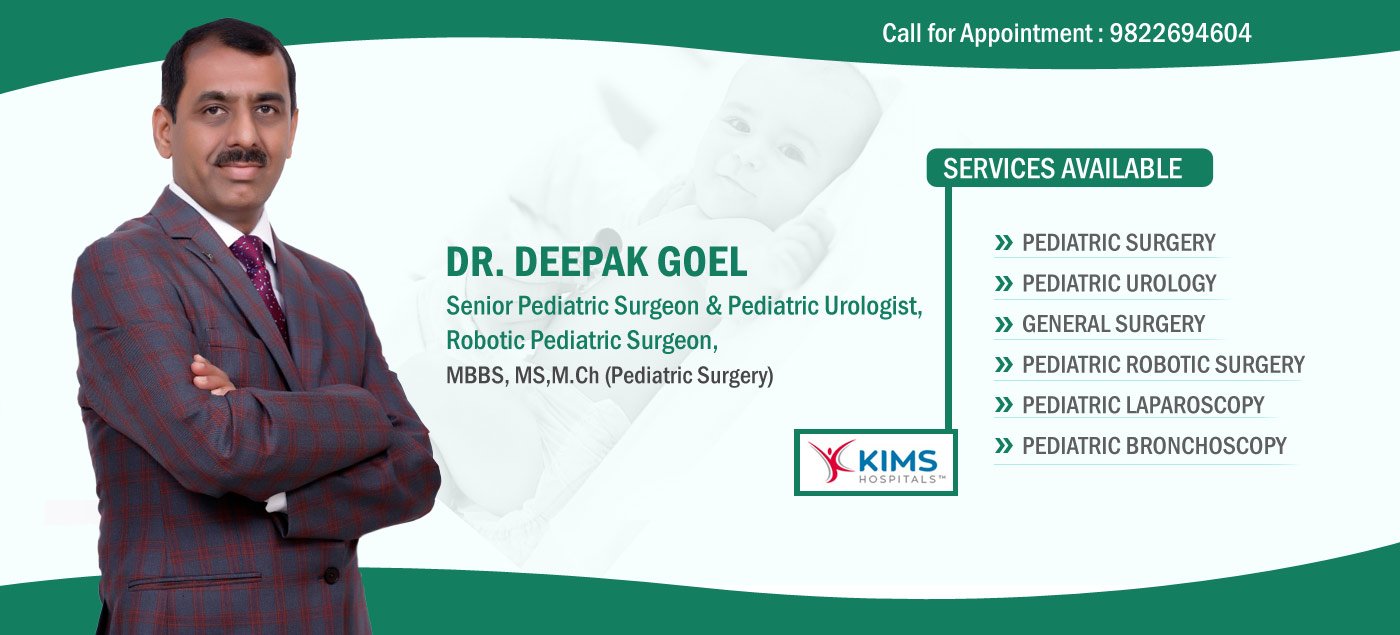
Pediatric General Surgery is a specialized field focused on diagnosing and treating surgical conditions in infants, children, and adolescents. Unlike adult surgery, pediatric surgery requires a different approach due to the unique anatomical and physiological aspects of growing children. In Nagpur, the availability of expert pediatric surgeons and advanced facilities ensures that children receive safe, precise, and compassionate surgical care.
What Is Pediatric General Surgery?
Pediatric general surgery encompasses a wide range of conditions that require surgical intervention in children. These include congenital anomalies (present from birth), acquired conditions (such as infections, trauma, or tumors), and emergency surgical situations. Pediatric surgeons are trained to operate on delicate, small-sized organs using techniques that minimize trauma and promote faster recovery.
Common Pediatric Surgical Conditions
- Hernias (Inguinal & Umbilical): Protrusion of abdominal content through weak muscle walls. Surgery is typically performed early to prevent complications.
- Hydrocele: Accumulation of fluid around the testicles, often requiring a simple surgical correction.
- Appendicitis: Inflammation of the appendix, commonly treated with emergency surgery (appendectomy).
- Intussusception: A serious intestinal blockage where part of the bowel slides into the next section. Requires prompt surgical management.
- Hirschsprung’s Disease: Absence of nerve cells in part of the colon causing constipation and bowel obstruction. Treated by resection of the affected segment.
- Congenital Diaphragmatic Hernia (CDH): A condition where abdominal organs move into the chest due to a hole in the diaphragm, impacting lung development.
- Tracheoesophageal Fistula (TEF): An abnormal connection between the esophagus and trachea. Requires surgical separation and correction soon after birth.
- Pyloric Stenosis: Narrowing of the stomach outlet in newborns, leading to projectile vomiting. Surgery (pyloromyotomy) corrects the problem.
- Anorectal Malformations (ARM): Birth defects affecting the rectum and anus that require staged surgical reconstruction.
Diagnostic Methods in Pediatric Surgery
- Ultrasound (USG): First-line, safe, and effective imaging for many abdominal and urogenital conditions.
- X-ray: Useful for detecting intestinal obstruction, chest deformities, and fractures.
- Barium Enema: Special X-ray used in conditions like Hirschsprung’s or intussusception.
- CT/MRI: Advanced imaging to evaluate complex or deep-seated pathologies, tumors, or trauma.
- Endoscopy: Minimally invasive visualization of the GI tract to detect obstructions, bleeding, or malformations.
Surgical Techniques Used
- Open Surgery: Traditional method used when visibility and access are critical.
- Laparoscopic Surgery: Keyhole surgery involving small cuts, less pain, and faster healing. Common in appendectomy, hernia repair, and some intestinal surgeries.
- Thoracoscopic Surgery: For chest surgeries like CDH or TEF repair with minimal trauma to the rib cage.
- Endoscopic Procedures: For foreign body removal, feeding tube placements, or airway evaluations.
Why Pediatric Surgery Requires Specialized Care
Children are not miniature adults. Pediatric surgery must be adapted to:
- Smaller body structures and lower blood volumes
- Delicate tissues and organs in the developmental phase
- Child-specific anesthesia and postoperative monitoring
- Minimal scarring for better cosmetic outcomes
- Use of pediatric-specific surgical instruments
Pediatric Surgery Facilities in Nagpur
Nagpur is home to several hospitals and pediatric super-specialty centers that offer cutting-edge surgical care for children. Experienced pediatric surgeons collaborate with pediatric anesthesiologists, neonatologists, and intensive care experts to deliver high-quality outcomes. Hospitals are equipped with neonatal ICUs (NICU), pediatric ICUs (PICU), and advanced imaging for pre- and post-operative care.
When to See a Pediatric Surgeon?
Parents should seek pediatric surgical consultation if their child has any of the following:
- Swelling in the groin or abdomen
- Persistent vomiting, constipation, or abdominal pain
- Abnormal passage of stool or urine
- Signs of infection (fever, redness, discharge) at birth defect sites
- Unusual birth marks or lumps
- Recurrent respiratory infections in infants
Post-Surgery Recovery in Children
Recovery after pediatric surgery depends on the condition treated and the child’s age. Fortunately, children heal faster than adults due to better tissue regeneration. With proper nutrition, hygiene, and follow-up care, most children recover quickly and return to normal life. Minimally invasive techniques have further improved post-op outcomes with less pain and shorter hospital stays.
Conclusion
Pediatric general surgery in Nagpur is rapidly advancing, with expert surgeons providing care on par with metropolitan centers. If your child needs surgical care—whether for a minor hernia or a complex congenital issue—timely intervention and access to skilled pediatric surgeons make all the difference. Prioritize pediatric expertise to ensure your child’s safety, comfort, and future health.